Fibre, food patterns and prostate conversations
This article explains why dietary patterns are more useful to discuss than a single ingredient, while keeping personal health decisions with qualified professionals.
This article explains why dietary patterns are more useful to discuss than a single ingredient, while keeping personal health decisions with qualified professionals.
Fibre occurs in foods such as vegetables, fruit, pulses, whole grains, nuts and seeds. These foods also bring texture, variety and other nutrients. A person’s tolerance, culture, budget and existing advice all matter.
Research about diet and prostate topics can be complex. A general article cannot assess symptoms, medicines or individual history, so persistent concerns should be discussed with a GP.
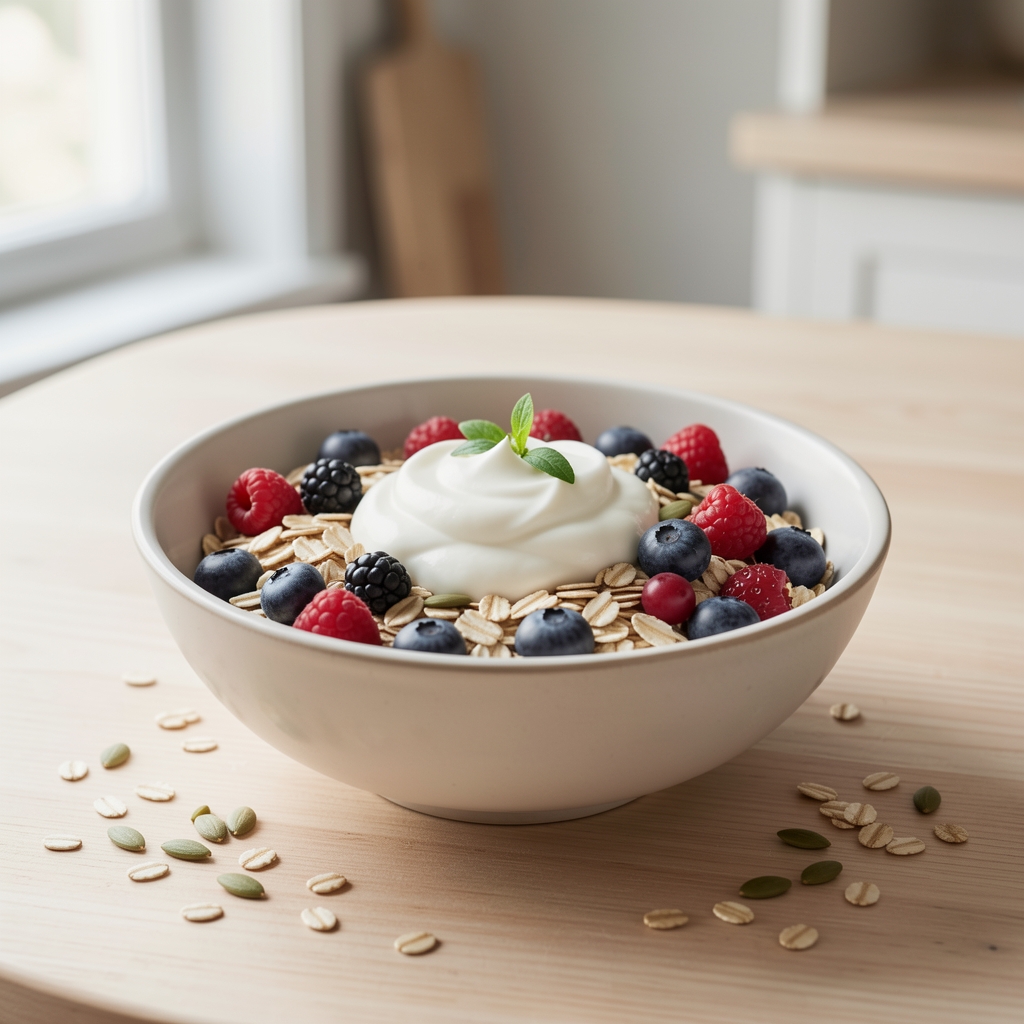
Different plant foods bring different textures and preparation options.
Changes can be introduced slowly while comfort and routine are observed.
Symptoms and medical advice should guide personal decisions.
Reading steps
Food categories to vary
Personal context
Current editorial edition
| Food group | Everyday examples | Planning question |
|---|---|---|
| Vegetables | Fresh, frozen or cooked varieties | What fits taste and access? |
| Pulses | Beans, lentils and peas | Can portions be introduced gradually? |
| Whole grains | Oats, barley and wholegrain breads | What is comfortable and familiar? |
| Fruit and seeds | Fresh fruit, nuts and seeds | How can variety fit the day? |
Food patterns can be discussed with care, but they do not replace assessment of personal symptoms.
Do not change medicines or delay care because of a general nutrition article. Use the information to prepare a clearer conversation.
Contact Veridia at 78 Elmwood Gardens, Islington, London, N1 1AB or 020 7946 0958.