Food planning for a busy week
A useful plan is a shortlist of meals, ingredients and fallback options that respects time, budget and the people sharing the table.
A useful plan is a shortlist of meals, ingredients and fallback options that respects time, budget and the people sharing the table.
Food planning can reduce last-minute choices, but a plan should remain adjustable. Begin with the meals already familiar to your household, then add variety through vegetables, fruit, pulses, whole grains and protein foods as appropriate to your circumstances. Consider taste, storage and preparation time alongside nutrition.
Shopping lists work best when they reflect the week’s actual commitments. A list that ignores late meetings or travel creates waste and frustration. Keep a small number of quick alternatives available for days when the original plan cannot happen.
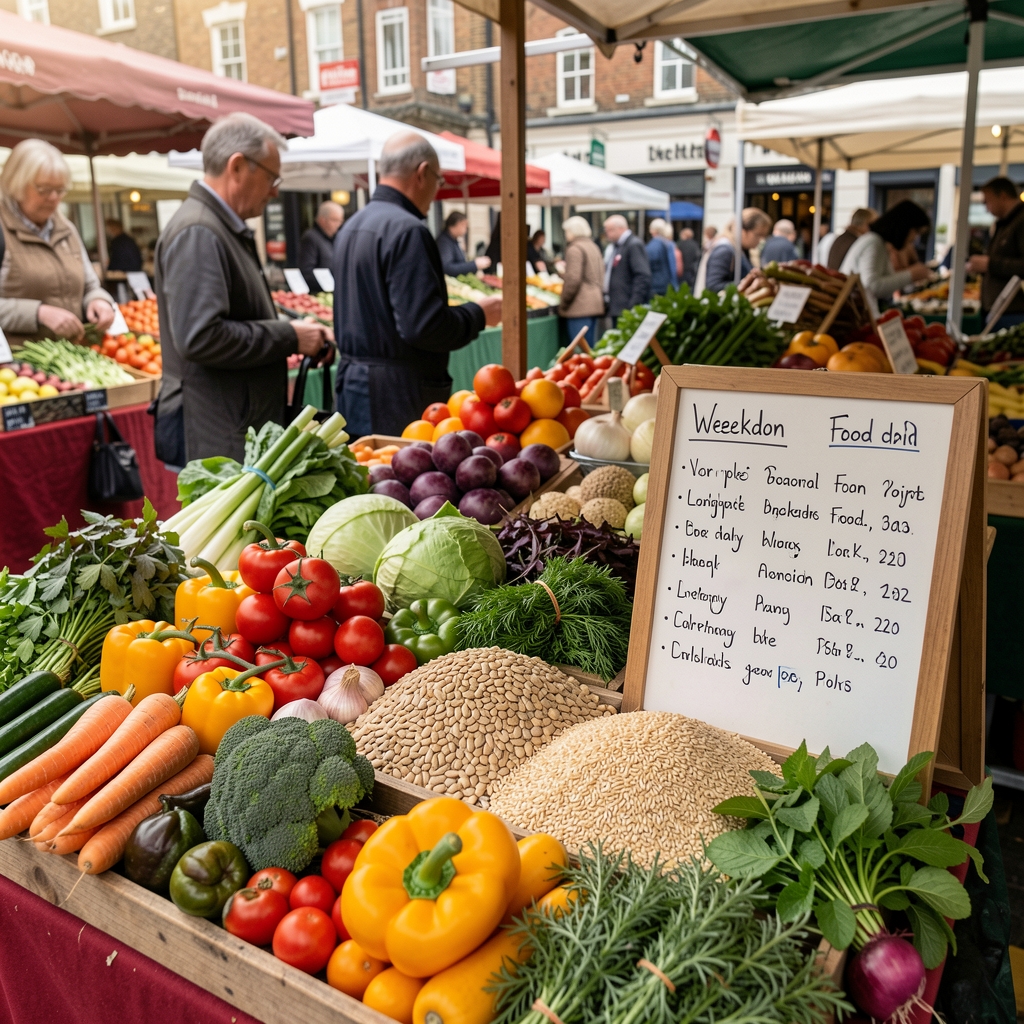
What meals need preparation and which can be assembled quickly?
Which colours, textures and ingredients can change across the week?
What can be stored, carried and purchased within the household budget?
Planning prompts
Core lenses
Days to map
Fallback option
| Need | Possible approach | Check |
|---|---|---|
| Short lunch break | Prepared grain, vegetables and protein combination | Can it be stored safely? |
| Late finish | Simple assembled meal | Are ingredients ready? |
| Shared household | Base ingredients with optional additions | Does it respect preferences? |
| Travel day | Portable familiar foods | What access is available? |
The useful plan is the one that survives an ordinary change of schedule.
Food planning should not be used to judge a person’s health or character. Adjust for appetite, culture, finances, access and professional guidance.
Questions may be sent to Veridia at 78 Elmwood Gardens, Islington, London, N1 1AB or 020 7946 0958.