Understanding food, glucose and metabolic balance
Blood glucose is influenced by food, movement, stress, sleep, medication and individual physiology. Veridia explains the landscape without offering a personal diabetes plan.
Blood glucose is influenced by food, movement, stress, sleep, medication and individual physiology. Veridia explains the landscape without offering a personal diabetes plan.
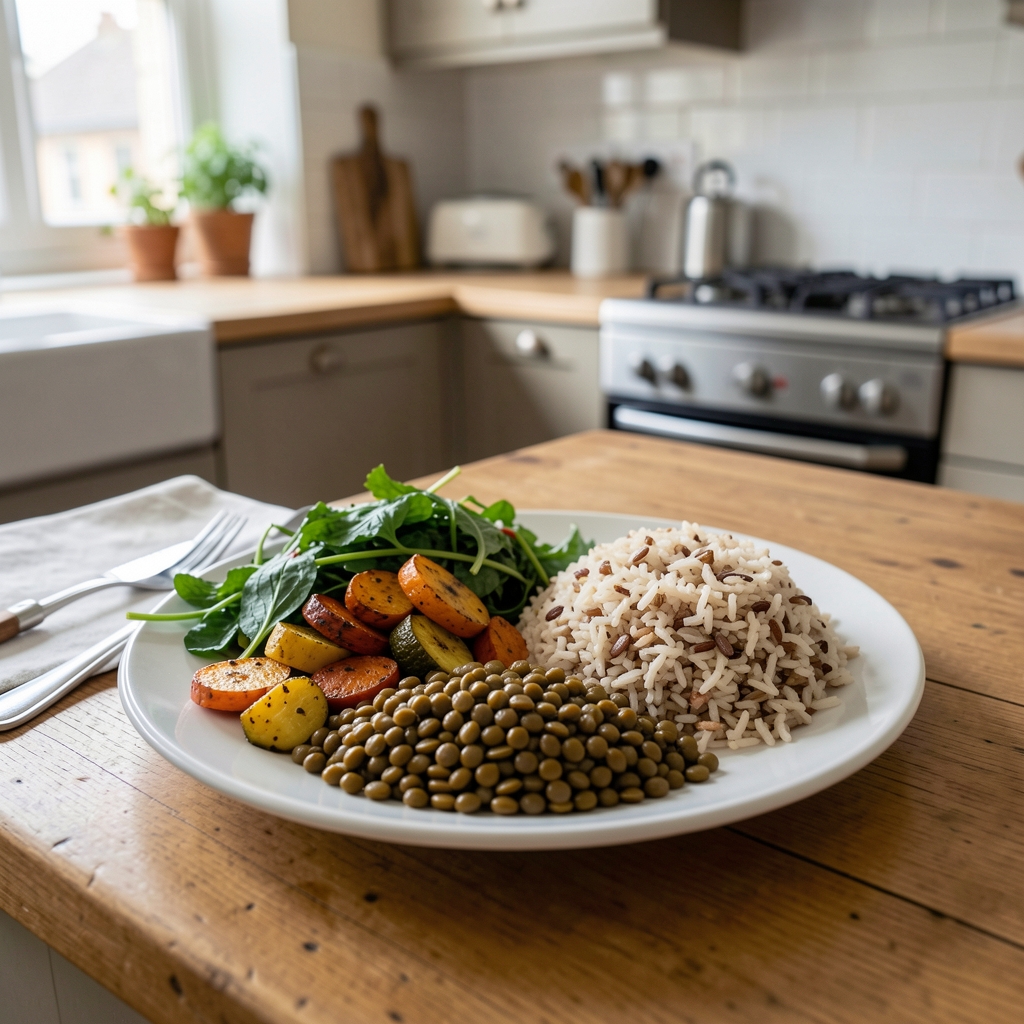
Many readers find it more useful to consider meal composition and regularity than to label foods as simply good or bad. Fibre-rich foods, protein and satisfying fats can be discussed with a professional in relation to medication and glucose readings.
Anyone using insulin or glucose-lowering medication should obtain clinical advice before changing carbohydrate intake.
| Observation | Why it may matter |
|---|---|
| Meal timing | It can interact with appetite, routine and medication schedules. |
| Portion context | A meal’s size and composition both shape the conversation. |
| Energy and sleep | Fatigue can influence hunger and daily movement. |
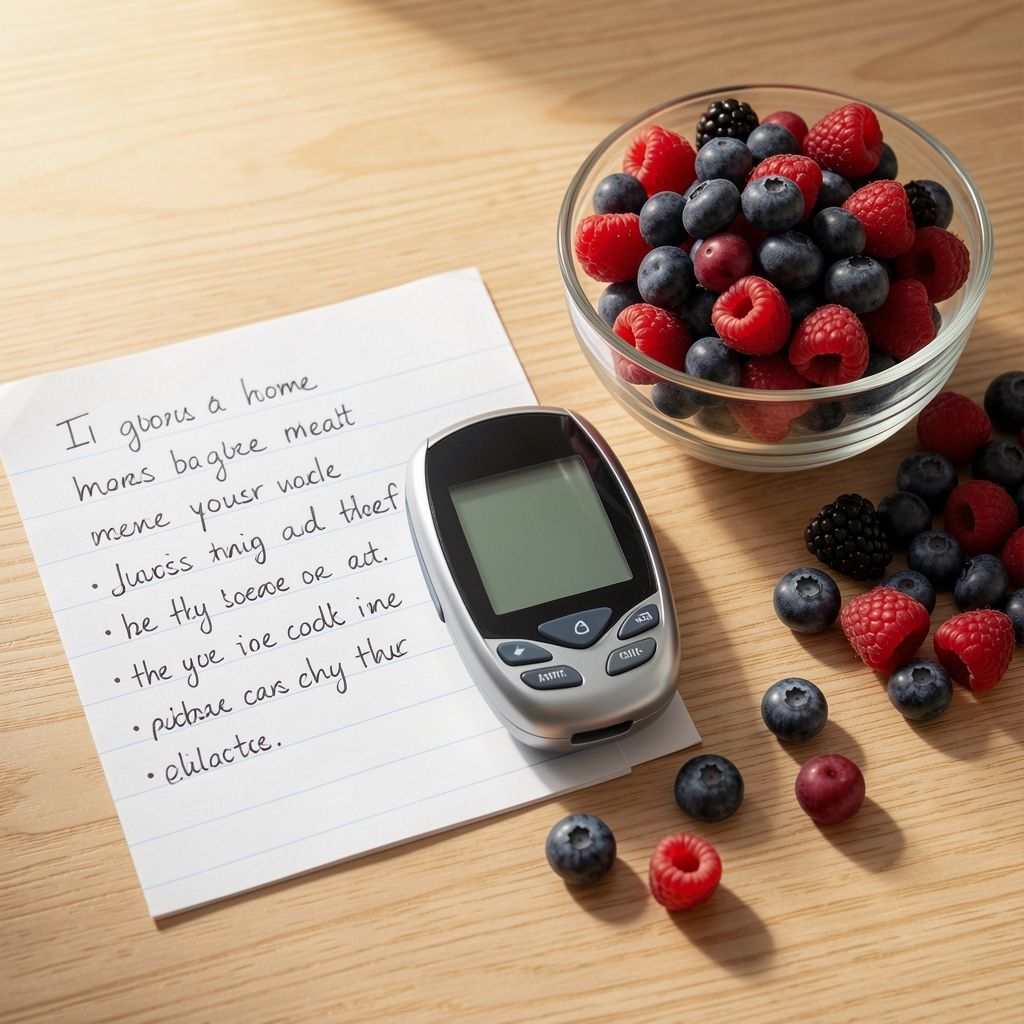
Numbers are information; they need context, clinical interpretation and a person’s lived experience.